

Why Does Some Window Tint fade or bubble
When it comes to window tint bubble, the quality of both the film and the installation process are crucial for ensuring durability and effectiveness. Two primary factors contribute to the failure of window tint: low-quality film and subpar installation. Each of these issues can significantly impact the longevity and performance of the tint. Leading to problems such as peeling, bubbling, or discoloration.
One common pitfall for consumers is falling for “too good to be true” prices. Many companies advertise window tinting services at remarkably low rates. Which can be tempting to those looking to save money. However, these bargain prices often come with a hidden cost—compromised quality. The low price usually reflects the use of inferior quality film or an inexperienced installer. Both of which can lead to a host of issues down the road.
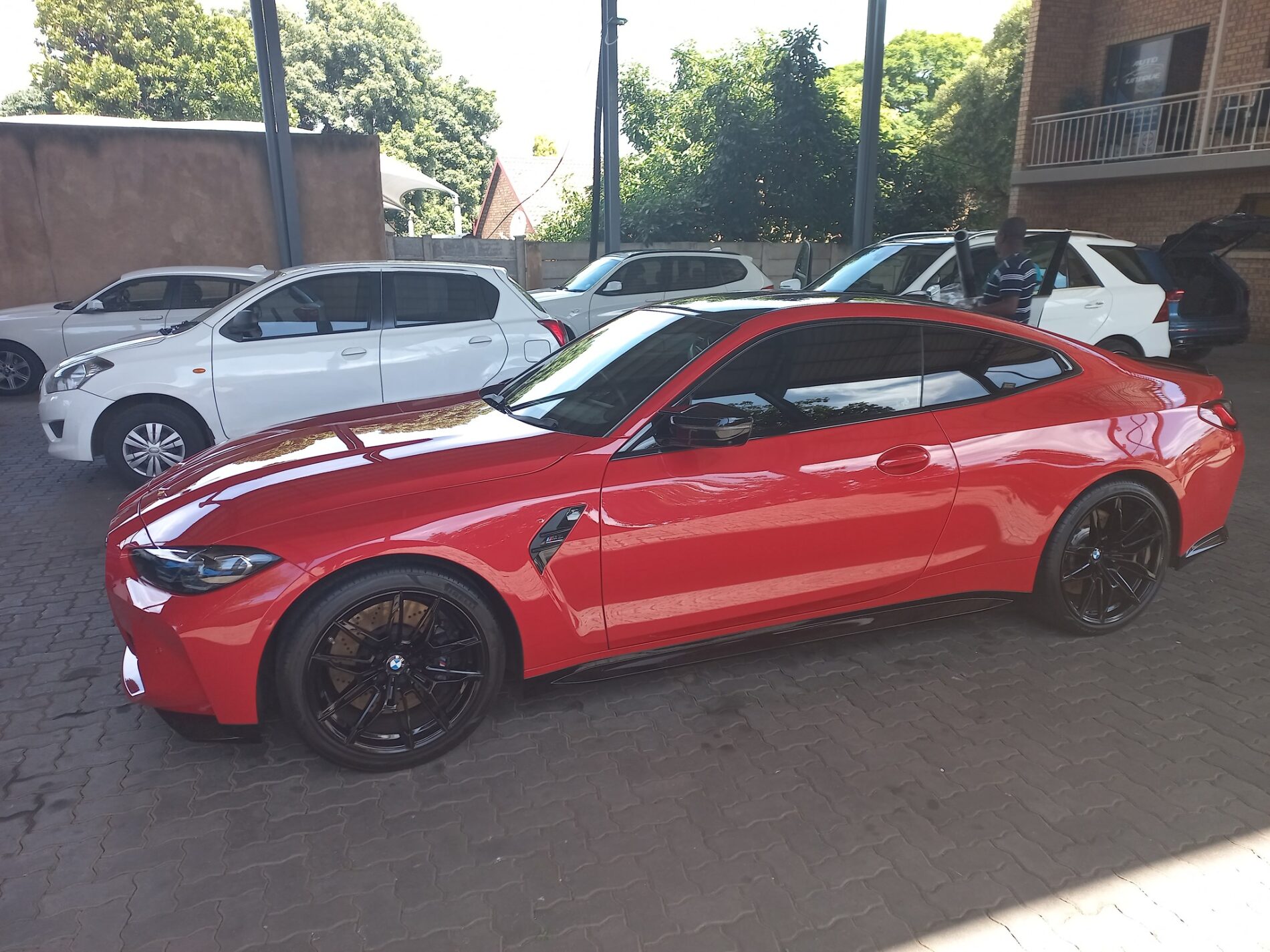
Low-quality films are often made from cheaper materials that may not adhere properly to the glass or may degrade more quickly over time. This can result in a range of problems, including poor UV protection, decreased heat rejection, and an overall lack of clarity. Similarly, a low-quality installation can exacerbate these issues. An inexperienced or careless installer might not apply the film correctly. Leading to bubbles, wrinkles, or peeling.
In the end, opting for the cheapest option without considering the quality of the materials and the expertise of the installer can lead to dissatisfaction and additional costs for repairs or replacements. It’s essential to weigh the value of a reputable company with experienced professionals and high-quality materials against the allure of low-cost offers. Investing in quality upfront can save money and frustration in the long run, ensuring that your window tint performs as expected and lasts for years to come.
At Suntinco we make sure to use the best quality tint you can get and our people is professionally trained.