
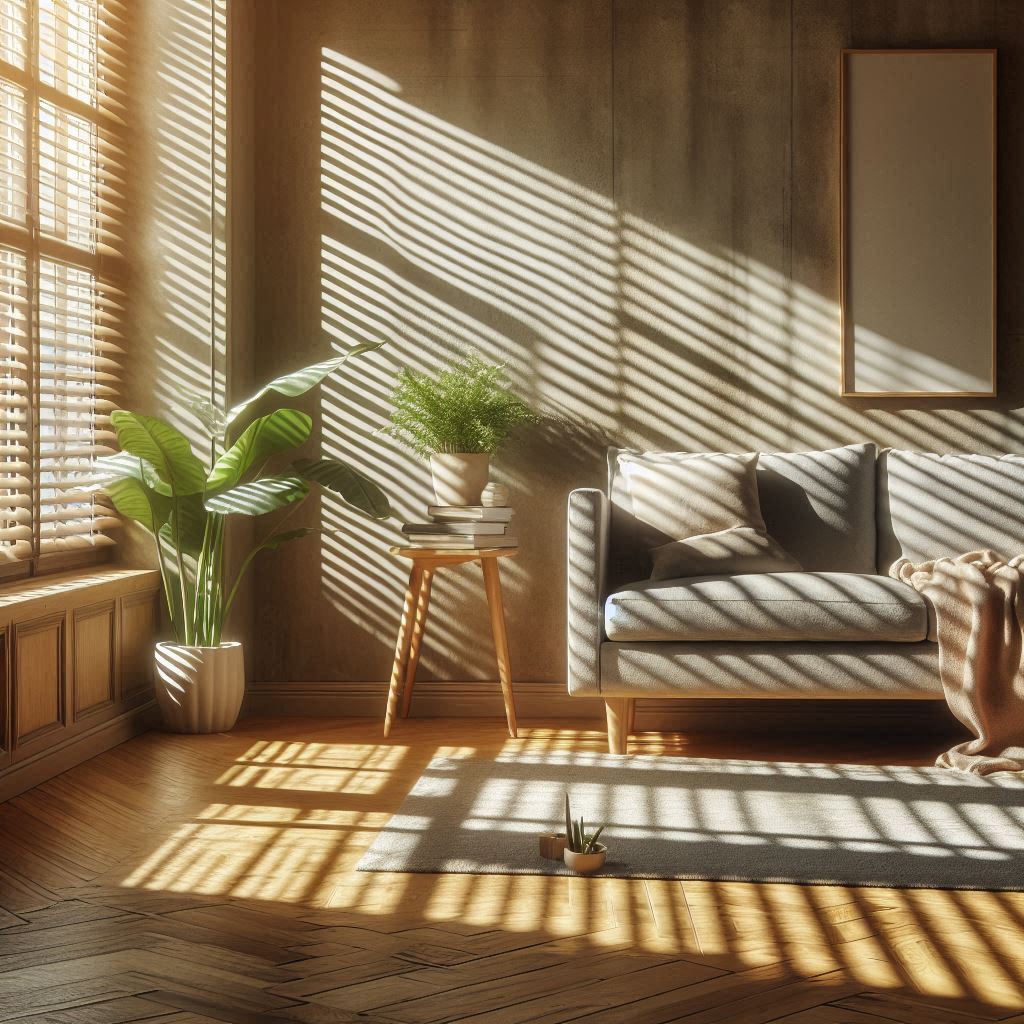
Window Blinds: Where Function Meets Design
Window blinds have become an essential feature in today’s living and working spaces. No longer considered just functional accessories, blinds now contribute to the overall design, atmosphere, and practicality of a room. They strike a balance between purpose and aesthetics, offering control over light and privacy while enhancing the space’s visual appeal.
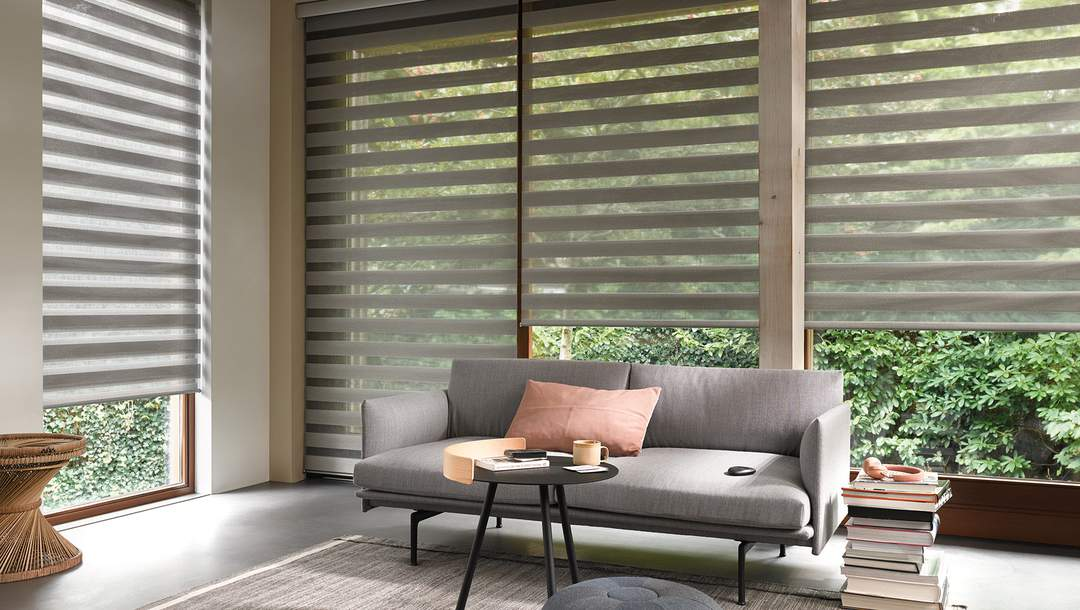 Blinds are available in a wide range of types and materials, each serving specific needs. Venetian blinds, with their adjustable horizontal slats, are perfect for managing natural light. Vertical blinds work well for larger windows and sliding doors, while roller blinds offer a clean, minimalistic finish that suits contemporary interiors.
The material selection plays a crucial role. Wooden and faux wood blinds bring warmth and texture, ideal for classic or modern interiors. Aluminum and vinyl provide a durable, low-maintenance alternative, making them suitable for high-use areas. Fabric blinds, including pleated and cellular styles, come in various colors and patterns and add an extra layer of insulation.
Technology has also found its place in modern blinds. Motorized blinds offer the convenience of remote operation, ideal for hard-to-reach areas. Smart blinds go a step further, allowing integration with home automation systems for control through voice or app — adding efficiency to comfort.
Beyond their functional role, blinds contribute to the overall mood and flow of a room. The right design can soften sunlight, frame views, and tie the décor together. Whether you’re aiming for the warmth of timber finishes or the sleek sophistication of neutral fabric, blinds provide a solution that is both purposeful and stylish.
In any setting, from homes to offices, blinds offer more than just coverage — they enhance how a space is experienced and enjoyed.